
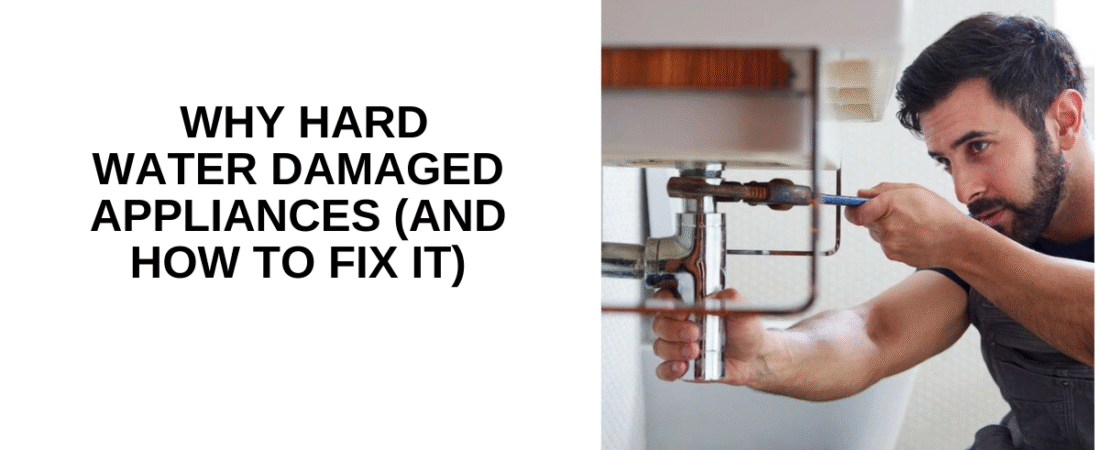
I noticed the change in small, annoying ways. The kettle sounded louder, the shower glass looked tired, and the washing machine smelled a little off after a hot cycle. Nothing “broke” at first, which made it easier to ignore. Then the dishwasher started leaving chalky marks, and I felt that slow dread of a repair bill. Hard water did not arrive like drama; it arrived like dust, quietly settling in the wrong places.
Quick Answer / Summary Box
Hard water carried extra calcium and magnesium, and those minerals hardened into scale when heat and evaporation did their work. Scale reduced heating efficiency, narrowed internal pipes, and stressed valves, seals, and pumps over time. I fixed the damage by descaling safely, cleaning filters, and resetting simple maintenance habits across appliances. I also reduced future buildup with gentler temperature choices, correct detergents, and a softening strategy that matched the home.
Optional Table of Contents
This guide covered hard water basics, the damage pattern inside appliances, a safe step-by-step fix process, tool options by budget, copy-ready checklists, common mistakes, practical FAQs, and a trust section with a simple maintenance rhythm that held up.
H2: What it was (and why it mattered)
Hard water was simply water with a higher mineral load, mostly calcium and magnesium. Those minerals behaved fine in a glass, but they behaved badly inside machines that heated, sprayed, and evaporated water all day. The heat pushed minerals out of solution and left scale behind, and that scale acted like a stubborn shell on heating elements and inner walls. People often blamed detergent quality or “old appliances,” yet the real culprit sat in the water line like a quiet passenger, in the wrong place for a long time.
H2: How to do it (step-by-step)
I started by working calmly and methodically, because rushed cleaning often caused the very pipe stress people feared. I unplugged appliances, shut off water where possible, and let hot parts cool fully before touching anything, which felt slow but it saved mistakes. I removed and rinsed filters first, since trapped grit turned into a grinding paste over time, and I wiped seals gently because torn rubber created leaks later. I then descalated using a manufacturer-safe descaler or a mild acid solution appropriate for that appliance, and I ran a rinse cycle after every treatment, even when the first result looked “good enough” in the moment.
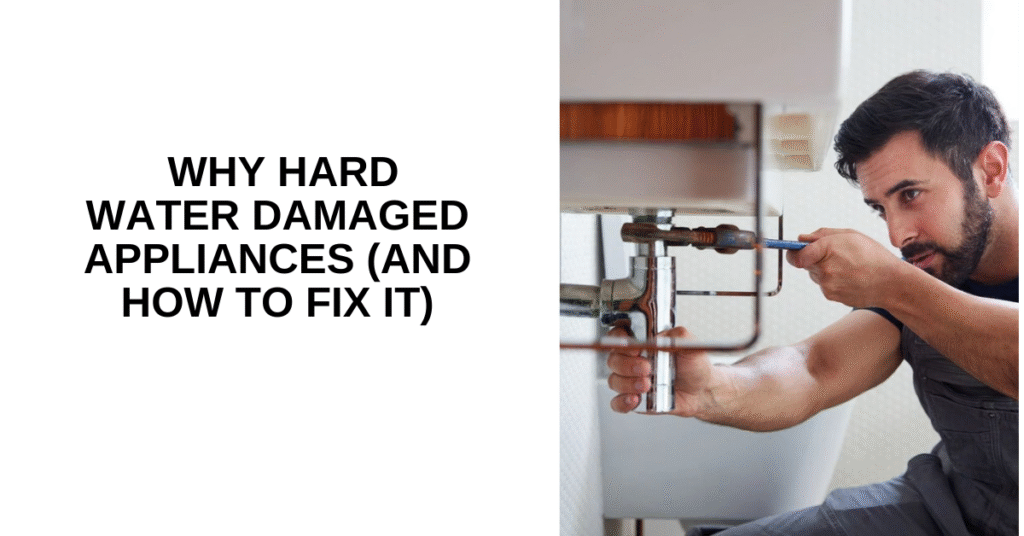
Next, I focused on the parts that usually suffered quietly. I cleaned spray arms, inlet screens, and visible jets with a soft brush and a wooden toothpick, and I avoided metal picks because scratches became mineral anchors. I inspected heating elements for a crusty coat, and I repeated descaling in shorter rounds rather than one aggressive soak, which felt kinder to the machine. I finished by running a normal cycle with plain water, listening for smoother pump sounds and watching for better heat recovery, and that small change actually felt like relief.
H2: Best methods / tools / options
I saw three practical paths, and each one suited a different home and budget. The simplest path used routine descaling and better detergent choices, and it worked well when hard water was moderate and appliances were still healthy, so the effort stayed low. The middle path added point-of-use solutions like shower filters or small cartridge filters for a single appliance line, and it offered partial relief without changing the whole home, which helped renters a lot. The most comprehensive path used a whole-house softener system that reduced minerals at the entry point, and it protected everything at once, though the setup cost and ongoing salt or service needs felt like a real commitment for some families.
I also treated “tools” as habits, not only products. I used lower wash temperatures when possible, because less heat meant less mineral drop-out, and I kept cycles balanced rather than always using the hottest setting. I dosed detergent correctly for hard water, because under-dosing left soil behind and over-dosing created residue that grabbed minerals, and both mistakes looked similar at first glance. I kept a small calendar reminder for cleaning filters and running a descale cycle, and that boring repetition ended up being the most effective fix of all, in the long run.
H2: Examples / templates / checklist
I followed a simple pattern that made the work feel manageable, even on busy weeks. I used a monthly light scale for the kettle and coffee machine, and I ran a dishwasher cleaner cycle every four to six weeks depending on use, with a rinse afterward. I cleaned washing machine dispensers and rubber gaskets gently, and I dried them after the last load so mineral film did not sit overnight on the damp. I reminded myself that small, frequent care beat heroic, once-a-year scrubbing, and that mindset kept everything calmer.
I kept a copy-ready checklist on the fridge, and it stayed surprisingly helpful. I checked the dishwasher filter and spray arms, inspected the washing machine gasket, cleaned the shower head and aerators, and wiped visible mineral lines around faucets. I looked for early signs like slower heating, cloudy glassware, stiff valves, and gritty screens, and I acted before the machine sounded distressed. I wrote the date of each maintenance action, and that tiny note reduced the “maybe I did this already” confusion.
H2: Mistakes to avoid
I made a few mistakes early, and they taught me fast. I used harsh chemicals too confidently once, and I learned that strong acids and abrasives sometimes damaged coatings, seals, or stainless surfaces, which then attracted even more scale later. I also ran repeated high-heat cycles thinking heat “cleaned better,” and that approach actually baked minerals harder onto elements and jets. I stopped forcing parts when they resisted, because yanking a filter housing or twisting an old valve created cracks that never healed, in the plastic.
Another common error involved ignoring the water itself. People cleaned symptoms but never adjusted routines, so the buildup returned with the same stubborn rhythm, like tide lines. I also saw people mix multiple cleaning agents, which created fumes or useless reactions, and it never saved time in the end. I kept it simple, used one safe method at a time, and let rinses do their quiet work, every time.
H2: FAQs
H3: Signs of scale buildup
The signs showed up as chalky spots, cloudy glassware, and a rough feel on metal parts after drying. Appliances heated slower, and some cycles ended with lukewarm water that felt wrong. Pumps sounded strained, and small jets sprayed unevenly, as if they coughed. Those clues looked minor, yet they usually meant scale already settled in the hidden channels, under the surface.
H3: Safe descaling frequency
I treated frequency like skincare, not like emergency medicine. Light monthly descaling worked for small hot-water devices, and a four-to-eight week rhythm fit dishwashers in many homes. Washing machines often needed a longer interval, but regular gasket and drawer cleaning helped between deeper cycles in the routine. The goal stayed steady prevention, not dramatic cleaning days that exhausted everyone.
H3: Appliance parts most affected
Heating elements took the first hit, because scale insulated them and forced longer heating times. Inlet screens and valves also suffered, since minerals and grit narrowed openings and made parts stick. Spray arms, jets, and internal hoses collected deposits where turbulence slowed, and those deposits redirected water in odd patterns. Seals and gaskets aged faster when scale and detergent film rubbed them daily, on a constant loop.
H3: When replacement made more sense
Replacement made sense when repeated descaling did not restore heat, flow, or stable cycling, and the machine kept faulting or leaking. It also made sense when parts were unavailable or repairs cost close to a new unit, which happened more than people admitted. I chose repair when performance improved after a careful cleaning sequence, because that improvement proved the core system still had life. I chose replacement when the machine felt structurally tired, and the fixes became endless, in that season.
Trust + Proof Section
I kept notes because I distrusted my own memory, especially after long weeks. The pattern stayed consistent: once I reduced scale, the machines ran quieter, heated faster, and stopped leaving that dusty film on dishes and fixtures. My practical “proof” came from small observations, like shorter kettle boil times and cleaner dishwasher drains, and those changes lasted when maintenance stayed regular. Author note: I wrote this from hands-on home maintenance experience, with careful attention to safe handling and gentle methods, and I updated the process as I noticed what actually worked over months. Updated date: 2026-01-07.
Conclusion
Hard water did not ruin appliances overnight, but it wore them down with patient pressure. I fixed it by cleaning safely, reducing heat stress, and treating water minerals as the real root cause, not an afterthought. The best next step stayed simple: pick one appliance, clean its filter, run a gentle descale, and set a repeating schedule that felt realistic. After that, a whole-home or targeted water-softening approach became a calm decision, not a rushed reaction.