
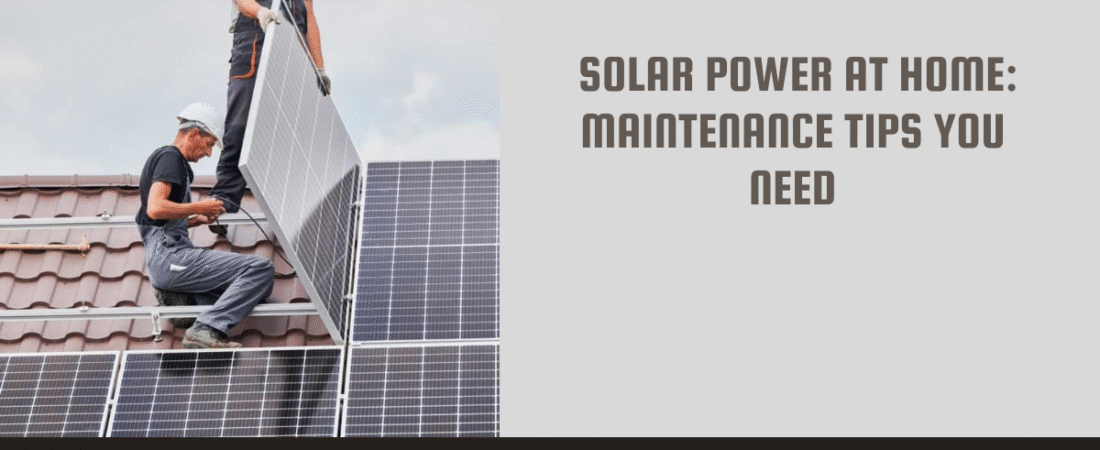
Solar power at home felt simple when the panels were first installed. Everything looked clean, silent, and reliable. Over time, however, small changes appeared. Dust settled, output dipped slightly, and unfamiliar sounds emerged during quiet afternoons. This guide explained how home solar systems stayed efficient through steady, careful maintenance without stress or complex tools.
Quick Answer / Summary Box
Solar power systems worked best when owners followed consistent maintenance habits. Panels stayed efficient through cleaning, inspections, and monitoring. Small issues stayed manageable when detected early. Long-term savings depended on attention, not constant intervention. Maintenance became a routine, not a burden.
Optional Table of Contents
This guide followed a clear structure. Each section covered one aspect of home solar maintenance. Readers moved smoothly from understanding the system to caring for it long term. The flow stayed practical and grounded.
H2: What It Was (and Why It Mattered)
Solar power at home referred to rooftop panels converting sunlight into electricity. The system reduced reliance on traditional energy sources. Over time, efficiency depended on environmental exposure and care. Dust, heat, and weather slowly affected performance. Maintenance mattered because neglect reduced output and shortened system lifespan.
Many homeowners believed solar panels required no attention. That idea caused gradual losses. Panels collected dirt quietly. Connections loosened unnoticed. Inverters aged without warning signs. Maintenance protects both performance and investment value.
H2: How to Do It (Step-by-Step)
Solar maintenance followed a simple rhythm. Owners inspected panels visually every few months. Dust buildup appeared first. Cleaning occurred during cooler hours to avoid damage. Soft water and gentle cloth preserved surfaces.
System monitoring followed next. Output readings revealed trends. Drops signaled possible shading or connection issues. Inverter lights indicated status clearly. Small alerts prevented larger failures.
Electrical inspections completed the process. Loose wiring, corrosion, or animal interference required professional checks. Annual inspections ensured safety. Routine steps kept systems steady.
H2: Best Methods, Tools, or Options
Panel cleaning worked best with minimal tools. Soft brushes, mild water, and patience prevented scratches. Harsh chemicals stayed avoided. High-pressure water damaged seals.
Monitoring apps offered simple insights. Daily output tracking highlighted performance shifts. Some systems included alerts. These tools suited busy households.
Professional servicing suited long-term care. Annual inspections caught hidden faults. Certified technicians checked wiring, grounding, and inverter health. Costs stayed predictable and manageable.
H2: Examples, Templates, and Checklist
A simple checklist guided maintenance. Panels stayed visually clean. No cracks appeared. Output matched expected ranges. Inverter lights showed normal operation.
One homeowner followed this routine. Output stayed stable through seasons. Small shading from new plants required trimming. Energy savings remained consistent.
Templates helped track dates. Cleaning schedules, inspection notes, and service records stayed organized. Consistency replaced guesswork.
H2: Mistakes to Avoid
Ignoring dust caused gradual efficiency loss. Cleaning during midday heat cracked surfaces. Using abrasive tools scratched panels. Skipping monitoring delayed repairs.
Some owners assumed warranties covered neglect. That belief proved costly. Maintenance requirements often existed. Following guidelines protected coverage.
Overcorrecting also causes harm. Excessive cleaning wore coatings. Constant adjustments created stress. Balanced care worked best.
H2: FAQs
System Longevity and Care
Solar systems lasted decades with proper care. Maintenance extended lifespan steadily. Components aged predictably.
Weather Impact Awareness
Heat, sand, and storms affected performance. Preparation reduced damage. Seasonal checks mattered.
Professional Support Value
Technicians identified issues early. Annual visits prevented surprises. Expertise added reassurance.
Trust + Proof Section
This guidance reflected lived homeowner experience. Systems performed better with care. Energy bills remained lower. Maintenance habits formed naturally over time.
Updated practices aligned with current residential systems. Homeowners benefited from routine, not complexity. Practical knowledge builds confidence.
Conclusion
Solar power at home rewarded attention. Maintenance preserved efficiency and savings. Simple routines prevented costly problems. Over time, care felt natural. The system worked quietly, reliably, and efficiently with steady respect.