
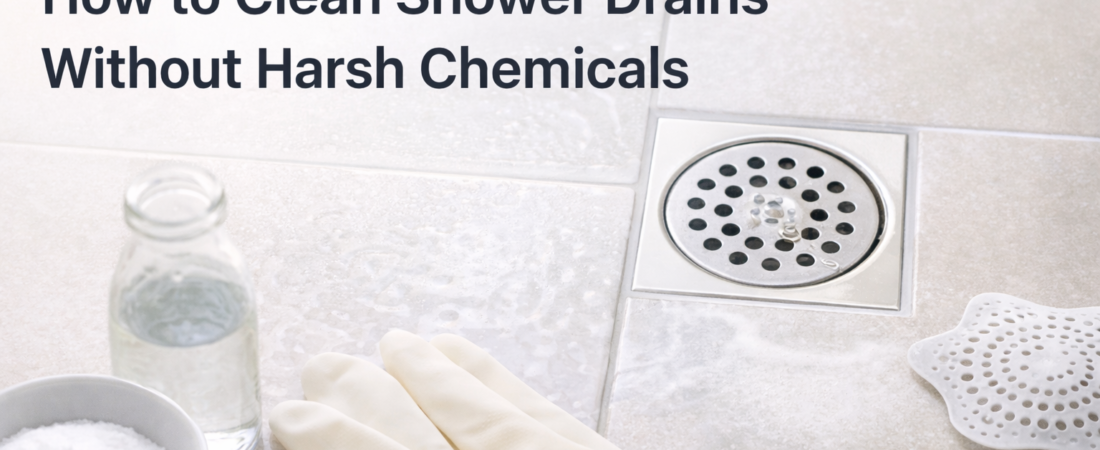
I walked into the bathroom on the weekend and smelled something damp.
The water pooled around my feet, and it felt oddly stubborn.
I wanted a clean drain without harsh fumes or scorched pipes.
I followed a simple routine and got a fast, calm result.
Quick Answer / TL;DR
In short, I removed the hair, flushed with hot water and soap, and used baking soda with vinegar for mild buildup.
I finished with a brief plunge or a small snake when the clog stayed.
I rinsed everything well and kept the drain dry after.
I repeated a light version monthly, and the smell faded.
Table of Contents
This post opened with the hook, promise, and a clear outcome.
This post gave a quick answer that saved time in a pinch.
This post listed a table of contents for steady reading flow.
This post explained key terms and one example in plain words.
This post shared a step-by-step method that stayed gentle on pipes.
This post covered common mistakes that slowed progress for many people.
This post included templates, checklists, and a small swipe file.
This post ended with takeaways and a simple next step at the end.
Intro
I lived in a place where the shower drained slowly for weeks.
I noticed the problem mattered more than I expected.
The smell clung to the air, and the tiles felt grimy.
I wrote this for anyone who wanted clean drains without harsh chemicals.
Context / Definitions
Harsh chemicals usually meant strong caustic cleaners that burned noses.
They often left a sharp, artificial scent that lingered.
I avoided them because my bathroom stayed small and warm.
I preferred simple ingredients that felt safer for a home.
A shower drain clogged for ordinary reasons, and nothing mysterious.
Hair twisted with soap scum, and it formed a soft rope.
The water slowed, then it backed up and looked cloudy.
In my case, the clog sat near the top of the pipe.
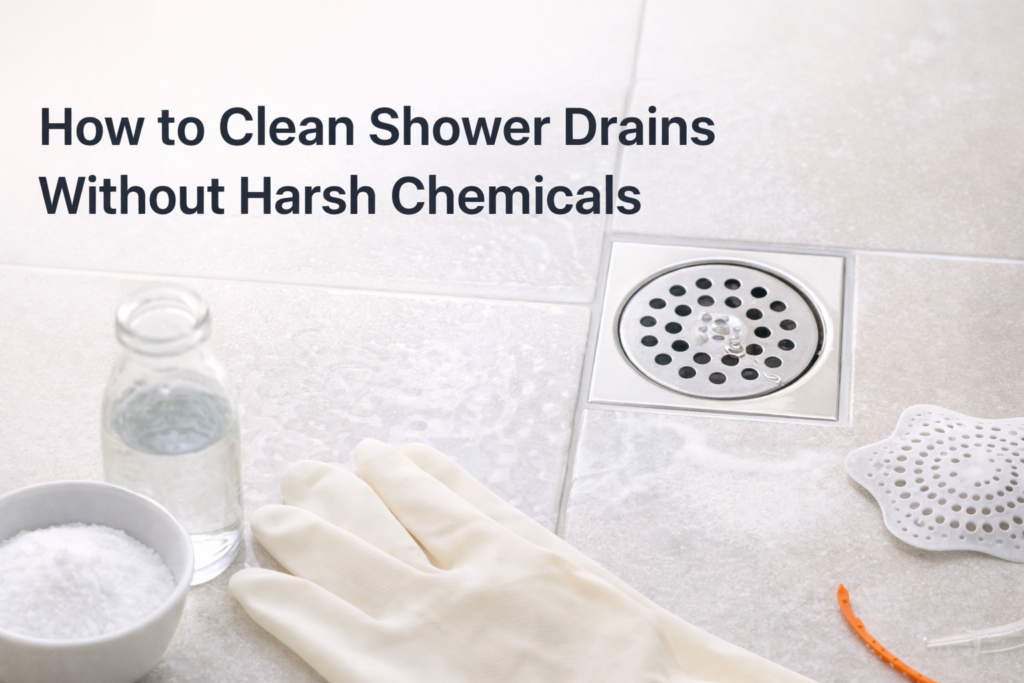
Main Body
A) Step-by-step “How To”
Step 1: I prepared the space and opened the drain
I turned on the fan and kept the door slightly open.
I laid an old towel beside the tub and set a small bowl nearby.
I lifted the drain cover carefully and kept the screws together.
I kept my movements slow, and the mess stayed contained.
Step 2: I removed the hair and visible debris first
I wore gloves and used a paper towel for grip.
I pulled out the hair plug and placed it into the bowl.
The smell hit briefly, then it softened after air moved.
I wiped the rim of the drain with a cloth at the edge.
Step 3: I flushed with very hot water and a little soap
I heated the water until it steamed, and I kept it controlled.
I added a few drops of dish soap and stirred gently.
I poured the hot mix into the drain in two steady rounds.
The soap loosened greasy film, and the water ran clearer after.
Step 4: I used baking soda and vinegar for mild buildup
I tipped baking soda into the opening and spread it around.
I added vinegar slowly, and the fizz rose with a soft hiss.
The reaction lifted grime and deodorized the pipe in a mild way.
I waited ten minutes in the bathroom, and the air felt calmer.
Step 5: I used pressure or a simple tool when the clog stayed
I filled the tub floor with a thin layer of water.
I pressed a plunger over the drain and pushed in short bursts.
I listened for a gulping sound, and the blockage shifted.
I used a small plastic snake after that, and it caught strands.
Step 6: I rinsed, reset, and added a prevention habit
I rinsed with hot water again and watched the flow closely.
I cleaned the cover, dried it, and set it back on firmly.
I placed a hair catcher over the drain, and it trapped most strands.
I wiped the shower floor after use, and the drain stayed fresher.
“Common Mistakes” Section
I once rushed the job and skipped the hair removal step.
The fizz looked impressive, but the drain still ran slow.
The clog stayed physical, and it needed a physical pull.
I learned that the simple, messy step saved the most time.
I also poured hot water too fast and splashed the tiles.
The clean-up took longer, and the bathroom felt chaotic.
I slowed down and poured along the edge of the opening.
The process stayed safer, and the results felt more consistent for me.
Examples / Templates / Swipe Files
I kept a small routine because memory failed on busy weeks.
I wrote it down, and I followed it when the drain sounded sluggish.
The habit felt boring, then it felt comforting.
I treated it like brushing teeth, and the smell never returned strongly.
Here was the simple checklist I used in my own bathroom.
- I removed the drain cover and kept the screws safe.
- I pulled visible hair and wiped the rim in the drain.
- I flushed with hot water and a few soap drops.
- I added baking soda, then vinegar, and I waited calmly.
- I plunged briefly or used a small snake if needed.
- I rinsed well and dried the area around the cover.
I also followed a light monthly template that stayed realistic.
I did a quick hair pull, then I poured hot soapy water once.
I used baking soda and vinegar only when the odor returned slightly.
I cleaned the hair catcher after showers, and it took seconds.
I kept a small “household script” for shared bathrooms too.
I said I cleaned the drain monthly and asked for basic care.
I suggested the hair catcher stayed on, and the tub stayed drier.
I thanked everyone after, and the routine felt less awkward over time.
FAQ
This section covered the common concerns people repeated in comments.
I kept the answers short and practical, and I stayed consistent.
I avoided harsh chemicals, and I still got a clean flow.
I wrote the notes from my own trial in a small apartment.
- Baking soda and vinegar worked best for mild buildup and odor.
- Boiling water worked better when grease and soap film built up.
- A plunger or plastic snake helped when hair formed a stubborn plug.
- A hair catcher prevented most clogs when it stayed in place.
- Slow draining returned when cleaning stopped for several weeks.
Summary / Key Takeaways
I cleaned shower drains without harsh chemicals by staying simple.
I started with hair removal, then I used heat and mild fizz.
I stayed patient, and I worked in small steps.
I kept prevention steady, and the bathroom felt easier to live with.
- I removed visible hair first, and the flow improved quickly.
- I used hot soapy water, and it loosened the greasy film.
- I added baking soda and vinegar, and it lifted mild buildup.
- I plunged or snaked gently when the clog stayed physical.
- I rinsed well, and I dried the cover area after.
- I used a hair catcher, and clogs happened less often.
Call to Action
I kept this routine on a monthly reminder, and it stayed manageable.
I wrote the checklist on paper and stored it under the sink.
I repeated the light version after heavy hair shedding weeks.
I noticed the bathroom smelled cleaner, and that calm felt worth it.