
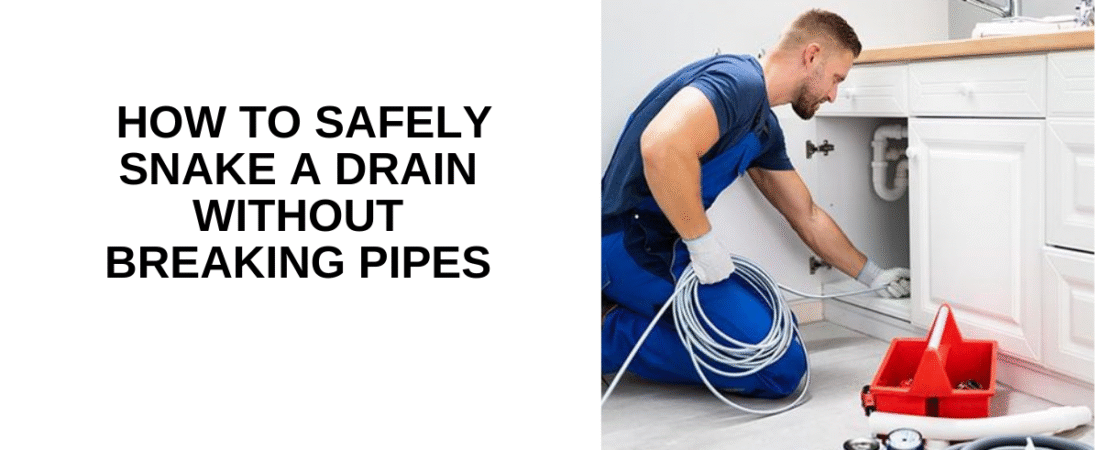
The moment water slowed in a sink always brought tension. The sound changed first, then the smell followed. Many homeowners reached for a drain snake with confidence and urgency. That confidence often faded quickly. Pipes cracked, joints loosened, and leaks appeared hours later. This guide focused on doing the job calmly, carefully, and without costly damage.
Quick Answer / Summary Box
Snaking a drain worked when patience led the process. Gentle pressure protected pipes from cracks. Correct tool selection reduced risk immediately. Slow rotation cleared clogs without force. Safe technique preserved plumbing while restoring flow.
Optional Table of Contents
This article moved from understanding pipes to choosing tools. It followed with technique, examples, and errors. Each section built on the previous one. The structure allowed steady reading without confusion. The experience remained grounded and practical.
H2: What it is (and why it mattered)
Drain snaking removed blockages through controlled mechanical motion. It differed from chemical cleaners that weakened pipe walls silently. The snake physically contacted debris and pulled it free. This method worked best when handled with restraint. The difference between success and damage often came down to pressure.
Pipes aged differently across homes. Old metal pipes reacted poorly to force. Modern plastic pipes bent before cracking but still failed under torque. Understanding this reality mattered. Snaking became safe only when strength stepped aside for awareness.
H2: How to do it (step-by-step)
The process began by identifying the drain location. Sink traps received gentler handling than main lines. Gloves protected grip and hygiene. The snake fed slowly into the drain opening. Resistance signaled contact, not invitation to push harder.
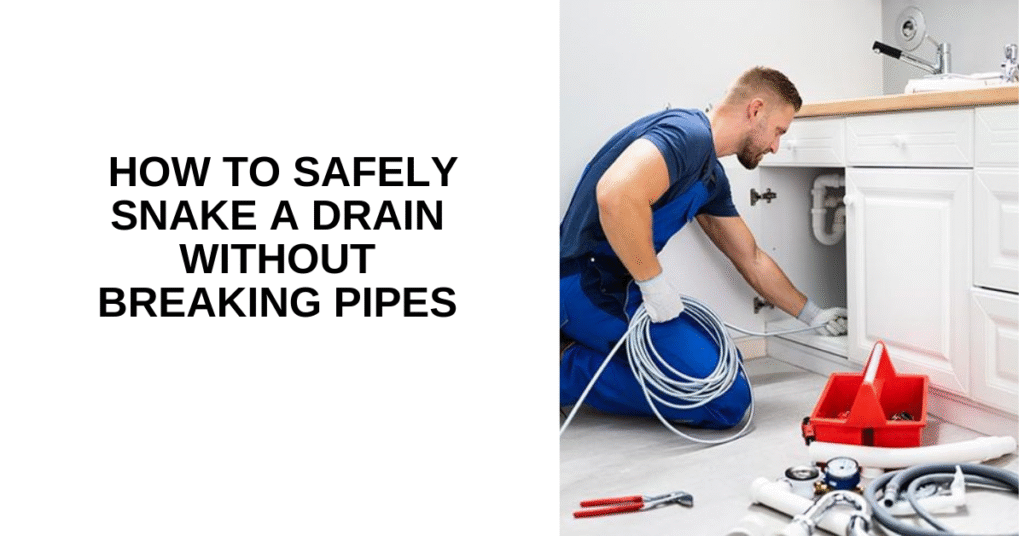
Rotation followed next. Clockwise turns engaged debris gradually. Pulling back occurred slowly. The clog was released in stages rather than suddenly. Water testing followed immediately. The pipe rested after clearing, which helped prevent stress.
H2: Best methods / tools / options
Manual hand augers offered the most control. They suited sinks, tubs, and light blockages. Drum augers handled longer runs but demanded patience. Electric snakes existed, yet they increased risk for inexperienced hands. Control mattered more than speed.
Plastic-coated cables protected softer pipes. Thicker steel cables worked for older lines. Matching tool size to pipe diameter prevented wall scraping. The safest method always felt slower. That slowness saved pipes.
H2: Examples / templates / checklist
A bathroom sink example illustrated restraint clearly. Hair buildup resisted first contact. Slow rotation loosened strands. Gentle withdrawal removed the mass. The drain cleared without sound or shock.
A simple checklist helped consistency. Gloves worn first. Tool size checked. Pressure is reduced intentionally. Rotation kept steady. Water tested calmly. These steps repeated reliably across different drains.
H2: Mistakes to avoid
Excessive force caused most damage. Twisting aggressively cracked joints. Shoving forward bent traps. Ignoring resistance led to punctures. These mistakes happened fast and silently.
Another error involved skipping inspection. Old pipes needed caution. Loose fittings worsened quickly under stress. Rushing cleanup caused missed leaks. Patience mattered more than strength.
H2: FAQs
Manual control remained safest
Hand-powered tools allowed feedback through touch.
Pipe material changed approach
Metal and plastic required different pressure.
Slower motion reduced risk
Steady pacing protected internal walls.
Testing immediately prevented leaks
Early checks revealed hidden damage.
Trust + Proof Section
Years of home maintenance showed a clear pattern. Gentle snaking solved clogs repeatedly. Forced snaking caused repairs repeatedly. The lesson settled quietly over time. Pipes responded better to care than urgency. This approach reduced plumber visits and preserved systems.
Experience reinforced simplicity. Less force achieved more results. Awareness replaced frustration. Homes stayed dry and calm.
Conclusion
Snaking a drain safely required patience, not strength. The correct tool guided success. Slow rotation protected pipes. Awareness prevented damage. The best next step involved practicing restraint and respecting the system beneath the surface.