
I remembered the quiet panic of opening a drawer and hearing it scrape against something jammed inside. The room looked fine, yet the house felt noisy in a strange way. Bags waited by doors, cords tangled like vines, and random papers lived on every flat surface. In 2025, clutter felt heavier because life moved faster and devices multiplied, and I noticed the mess followed me from room to screen. I finally learned that decluttering did not start with throwing things away, but with deciding what my life actually needed. This guide followed the same approach I used when I wanted a calmer home and a calmer mind, and it stayed realistic.
Quick Answer / Summary Box
Decluttering in 2025 worked best with a repeatable system. I set a clear goal, sorted by category, and created simple zones for what stayed. I used a three-pile decision rule, then removed donations and rubbish immediately. I also decluttered digital clutter, including photos, downloads, and notifications, because screen mess triggered the same stress. A short weekly reset kept the results stable without another big purge.
Optional Table of Contents
This guide explained what decluttering meant in 2025 and why it mattered more than before. It then provided a step-by-step method that worked for homes, garages, and digital spaces. It reviewed tools and options, including minimalist and family-friendly approaches. It included examples, templates, and a copy-ready checklist. It finished with common mistakes, short FAQ-style notes, trust signals, and a clean conclusion.
H2: What it is (and why it matters)
Decluttering meant reducing excess items, simplifying storage, and making space for what mattered. It was not only about aesthetics, even though tidy spaces looked nice. It was about reducing friction, because friction drained energy daily. In 2025, clutter also included digital overload, like unread emails, endless screenshots, and apps that demanded attention. This mattered because clutter stole time and made simple tasks feel harder, and that slow stress built quietly until it felt normal. When clutter reduced, decisions became easier and the home felt lighter, even if nothing new was bought.
H2: How to do it (step-by-step)
I started by choosing one target area and setting a finish line. I worked in short focused blocks, because long sessions caused fatigue and sloppy choices. I sorted items by category, then made decisions with a clear rule: keep, donate, recycle, or discard. I cleaned and reset the storage area before returning anything, because returning items to a dirty space felt wrong. I labelled zones lightly and kept the system simple enough to maintain. I repeated the process across rooms and digital spaces, and the results stacked up steadily.
H2: Best methods / tools / options
Different methods suited different personalities, and I learned that quickly. A “category-first” method worked well when the house felt scattered, because it revealed duplicates and hidden piles. A “room-by-room” method worked better when time stayed tight, because it delivered quick visible wins. Clear bins helped visibility, while opaque bins reduced visual noise, and I used both depending on the space. A donation box kept momentum, and a timer prevented burnout, even if it sounded small. Digital tools mattered too, like cloud folders, photo albums, and unsubscribe routines, because screen clutter turned into mental clutter fast.
H2: Examples / templates / checklist
I used a simple template that kept decisions consistent. I defined a “home” for each category, then limited the category to that space. I followed a checklist: set goals, gather supplies, sort, decide, remove, clean, organise, label, and reset weekly. I also used a mini case routine for busy weeks: one drawer, one bag for donation, and one digital folder cleanup. Small wins built confidence, and that confidence made the next session easier.
H2: The Ultimate Guide to De-Cluttering in 2025
Decluttering in 2025 felt different because clutter arrived faster. Deliveries showed up, freebies multiplied, and digital content never stopped. I stopped treating clutter like a moral failure and treated it like a system problem. Systems could be redesigned. That shift changed everything.
Step 1: Set a clear decluttering goal that felt personal
I chose a goal that matched real life. I aimed for easier mornings, clearer counters, and less time searching. I wrote the goal down and kept it visible. The note reminded me why I started when I felt tired.
Step 2: Choose a “starter zone” that delivered quick relief
I began with a small zone, like a junk drawer or entry table. Big zones felt intimidating and slowed momentum. A small zone finished faster and gave immediate calm. The early win mattered more than I expected.
Step 3: Gather supplies before you touched anything
I used rubbish bags, a donation box, a marker, and a few bins. I kept wipes and a cloth nearby for quick cleaning. I also set up a “relocate” basket for items that belonged elsewhere. Preparation prevented messy piles from spreading.
Step 4: Use the 3-pile sort to reduce decision fatigue
I created three piles: keep, donate, and discard. I avoided “maybe” piles, because they lingered and stalled progress. If something truly needed later review, I placed it in a small “review” envelope with a date. This rule kept choices clear and reduced mental noise.
Step 5: Declutter by category to reveal hidden duplicates
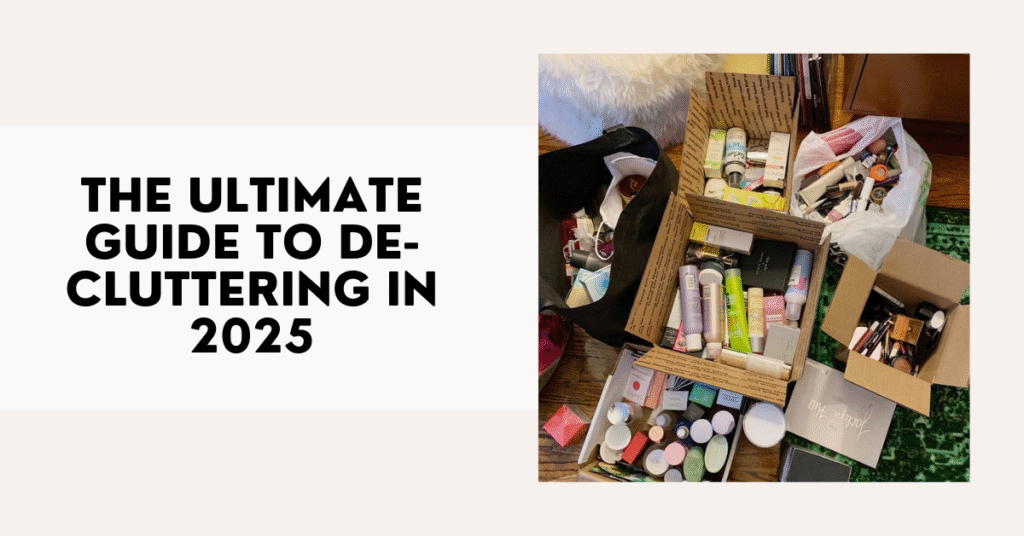
I pulled all items from a category into one place. I did this for cables, mugs, makeup, and cleaning supplies, and the duplicates surprised me. Seeing everything together made decisions easier. The category method also prevented storing the same thing in three different rooms.
Step 6: Use a space limit to decide what stayed
I chose a container or shelf as a limit. Only what fit comfortably stayed. This rule felt firm but fair. It prevented endless “just in case” keeping.
Step 7: Keep only what matched your current life
I let go of items tied to old versions of myself. Some clothes belonged to a different schedule. Some hobby gear belonged to a phase that ended. I kept memories, but I released objects that created guilt. The air felt lighter after that decision, in a quiet way.
Step 8: Remove donations and rubbish immediately
I carried donation bags to the car right away. I took rubbish out the same day. Items left near the door crept back inside, and I learned that the hard way. Immediate removal protected progress.
Step 9: Clean the space before organising what stayed
I wiped shelves, vacuumed corners, and cleaned sticky drawers. The fresh smell of soap and clean wood made the reset feel real. Cleaning also revealed damaged storage areas that needed repair. A clean base made the new system feel stable.
Step 10: Organise by zones, not by perfection
Zones made the home functional. I created zones for daily items, weekly items, and seasonal items. I placed daily zones where hands naturally reached. Perfection faded quickly, but zones held.
Step 11: Label lightly and keep labels obvious
Labels prevented confusion later. I used plain words like “Batteries,” “First Aid,” and “Cables.” I labelled shelves and bins where it mattered most. Too many labels felt fussy, so I kept it simple.
Step 12: Build a “one-touch” habit for incoming stuff
Clutter returned through incoming items. I opened the mail and dealt with it immediately. I removed the packaging right away and recycled it. I placed new items directly into their zone. One-touch handling stopped piles from forming.
Step 13: Declutter paper the modern way
Paper still arrived, even in 2025. I kept a small tray for urgent papers only. I recycled junk mail quickly and filed important documents in one folder. I avoided multiple paper piles, because they created silent stress.
Step 14: Declutter your digital life with the same logic
Digital clutter felt invisible, yet it drained attention. I cleared my downloads folder and removed old files. I organised photos into albums and deleted duplicates, even though it took patience. I also removed apps I never used, because they created background noise. The phone felt calmer after, like a room with fewer objects.
Step 15: Reduce notifications to reduce mental clutter
Notifications acted like tiny interruptions. I turned off non-essential alerts and kept only important ones. The silence felt strange at first. Then it felt peaceful.
Step 16: Set boundaries for subscriptions and shopping temptations
Subscriptions created steady inflow. I cancelled unused memberships and reduced auto-deliveries. I also paused impulse shopping habits by using a waiting rule. Less inflow meant less future clutter, and the home stayed easier.
Step 17: Create a “repair or release” rule for broken items
Broken items often stayed because of guilt. I set a repair deadline and wrote it down. If repair did not happen by that date, I released the item responsibly. This rule reduced the sad pile of “someday” objects.
Step 18: Make storage visible, accessible, and safe
Deep hidden storage invited forgetting. I placed important items where I could see them. I stored heavy items low and kept pathways clear. Safety mattered, especially in garages and sheds, and it also reduced stress.
Step 19: Use seasonal resets to keep clutter from returning
Seasonal changes naturally triggered clutter. I reviewed coats, holiday items, and outdoor gear each season. I donated what no longer fit and recycled what broke. This rhythm kept the home lighter over time.
Step 20: Build a weekly reset that took ten minutes
I scheduled a short weekly reset. I returned items to their zones and emptied the donation box. I wiped one surface and cleared one small pile. Ten minutes felt small, but it protected everything I worked for.
H2: Examples / templates / checklist
I used a “four-zone house sweep” for fast results. I decluttered entryway clutter, then kitchen counters, then a bedroom surface, then one digital folder. I repeated the same pattern weekly until the home stayed consistently calmer. My checklist stayed clear: goal, timer, sort, decide, remove, clean, zone, label, and reset. For families, I used shared zones and simple bin labels so everyone could participate without confusion. The system felt professional because it stayed repeatable, not because it looked perfect.
H2: Mistakes to avoid
I made mistakes that slowed progress. I tried to declutter everything in one day, and fatigue led to messy piles. I created too many “maybe” boxes, and they haunted closets for months. I bought storage before decluttering, and it simply stored clutter more neatly, which felt silly later. I also kept items out of guilt and then resented them daily. The fix was always the same: smaller sessions, faster removal, and decisions based on current life.
H2: FAQs
Decluttering worked better in short sessions
Short sessions reduced burnout. They also made it easier to repeat weekly. Consistency beat intensity every time.
Digital decluttering mattered as much as physical decluttering
Digital clutter triggered distraction and stress. Cleaning files and photos reduced that background noise. The calm felt real, even though it was invisible.
Decluttering stayed easiest when inflow stayed controlled
New stuff recreated clutter fast. Controlled buying and fast mail handling protected the space. Systems held when inflow stayed honest.
Trust + Proof Section
I used this approach across different seasons and living situations, including small apartments and shared homes. The biggest proof came in ordinary moments. I found the keys quickly. I cooked without moving piles. I opened my phone and felt less pulled in every direction, which was surprisingly emotional. Friends noticed the home looked calmer, but I noticed the mind felt calmer, and that mattered more. The updated date on the page mattered to me, so the guide matched how life looked in 2025, including digital overload and delivery culture.
Conclusion
Decluttering in 2025 worked best as a system, not a one-time event. Clear goals, category sorting, space limits, immediate removal, and simple zones created lasting change. Digital decluttering and notification control reduced invisible clutter that drained attention daily. The best next step was choosing one starter zone and finishing it completely, then repeating the method in small sessions. A short weekly reset protected the progress and prevented relapse. The home felt lighter, and the days felt smoother, and that was enough.