
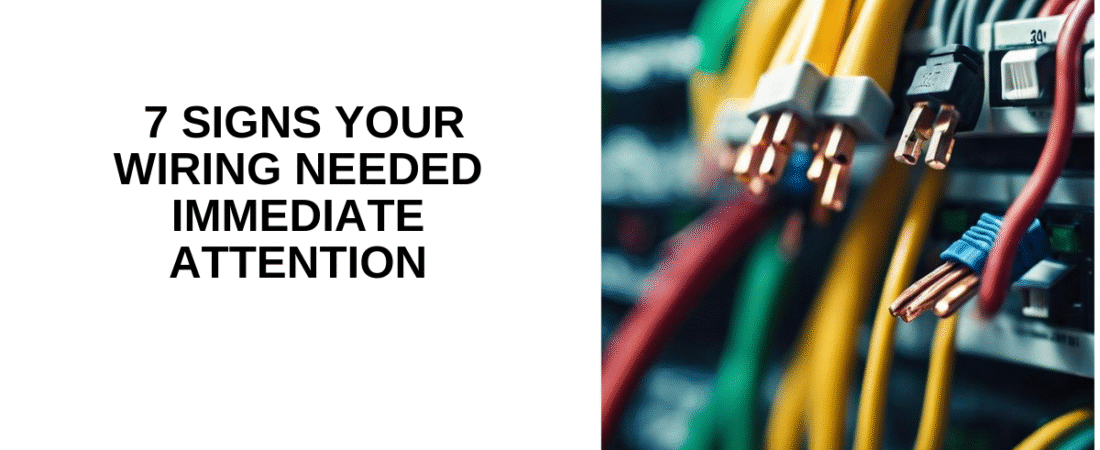
The first time a house started “feeling wrong,” it usually sounded small. A faint buzz. A light that flickered like it hesitated. People often ignored those hints because life stayed busy, and the room still looked normal. That calm look fooled many homeowners, and it did so with a strange confidence.
Quick Answer / Summary Box
Wiring problems usually showed themselves through heat, smell, sound, and inconsistent power. The clearest signs included frequent breaker trips, warm outlets, burning odours, flickering lights, buzzing switches, discoloured plates, and mild shocks from touch. The safest response involved reducing load, stopping use of the affected circuit, and arranging a qualified inspection. Quick action often prevented a small defect from becoming a fire, which felt like a hard truth.
Optional Table of Contents
This guide covered the seven warning signs, why each sign mattered, and the safest response steps. It also compared practical options for checking, upgrading, and maintaining wiring with sensible effort levels. It finished with a copy-ready checklist, common mistakes, and brief FAQ notes that stayed direct. The flow stayed simple so it scanned well, even on a rushed day.
H2: What it is (and why it matters)
A home’s wiring acted like a hidden road system for electricity, and problems often started where nobody looked. Heat built up at loose connections, worn insulation, or overloaded circuits, and that heat sometimes sat quietly for weeks. The risk mattered because electrical faults often escalated fast, especially behind walls where nobody smelled the first hint. Many people assumed “a little flicker” stayed harmless, but that idea aged badly in real homes.
H2: How to do it (step-by-step)
The safest first step involved noticing patterns, then slowing down. People often wrote down what happened, where it happened, and when it happened, because memory got fuzzy later. The next step involved reducing load on the circuit by unplugging heavy devices, then turning off the suspect breaker if anything felt hot or smelled sharp. After that, a qualified electrician assessed outlets, switches, the panel, and visible cable runs, and they tested for loose terminations, damaged insulation, and voltage drop with proper tools. If the issue repeated after load reduction, the home usually needed targeted repairs or a partial rewire, not another quiet shrug.

H2: Best methods / tools / options
Professional inspection and testing usually served as the safest baseline, because it confirmed the real cause instead of guessing. Targeted outlet or switch replacement worked well when the problem stayed local, like a single warm receptacle or a buzzing dimmer, and it often cost less than broader work. Circuit load balancing and adding dedicated circuits suited kitchens, laundry areas, and home offices, where demand rose quietly over time and started pushing old wiring past its comfort. Partial rewiring or full rewiring fit older properties, repeated fault patterns, or brittle insulation, and it felt disruptive but it often ended years of nuisance problems. A good choice depended on the age of the system, the number of recurring symptoms, and the way the home actually got used, not the way it “should” got used.
H2: Examples / templates / checklist
A common example involved a bedroom where the lights dimmed whenever a heater switched on, and the outlet faceplate felt warm after an hour. Another example showed a kitchen breaker that tripped only on weekends, when the kettle, toaster, and dishwasher ran close together, and the panel door felt slightly hot. A quieter example involved a faint burning smell near a switch after a rainy day, where moisture and an old fitting created a risky mix. This simple checklist helped people stay calm and consistent, even when they felt a bit nervous: note the room and device, check for warmth on plates, listen for buzzing, smell for burning or fishy odours, watch for flicker or dimming, record breaker trips, stop using the circuit if heat or smell appeared, and schedule an inspection. The small discipline of writing it down often saved time, and it saved embarrassment too.
H2: Mistakes to avoid
One common mistake involved repeatedly resetting a tripping breaker without reducing load, because the reset felt like a quick win. Another mistake involved ignoring a “hot smell” because it came and went, even though intermittent faults often ran hottest at connection points. People also replaced outlet covers or painted over discoloration, which hid the symptom but never cooled the conductor behind it. A risky habit involved using multi-plug adapters everywhere, which quietly loaded one circuit past its safe design, especially in older homes. The safer move involved treating heat, smell, and repeated trips as a stop sign, not as background noise.
H2: FAQs
H3: Breaker trips showed a real warning, not a nuisance
A breaker tripped because current rose beyond safe limits or a fault appeared, and it usually protected the wiring from overheating. Repeated trips often pointed to overload, a short, or a failing appliance, and the pattern mattered. Load reduction sometimes solved overload, but faults needed inspection. The key was treating the trip as information, not as a personal insult.
H3: Flickering lights often linked to loose connections
Flicker often came from loose terminals, failing switches, or poor connections at fixtures, and it sometimes worsened with vibration or heat. If multiple rooms flickered, the issue sometimes extended to the panel or service connection, which felt more serious. A single lamp flicker could still come from a bad plug or socket, so location tracking helped. The safest response involved stopping use if heat or smell joined the flicker.
H3: Mild shocks from touch never counted as normal
A small tingle sometimes happened with faulty grounding, reversed polarity, or a device leaking current, and it signaled danger. People sometimes blamed “dry hands” or “static,” but repeated tingles around outlets or taps deserved attention. Proper testing identified grounding issues, and repairs reduced risk quickly. The body often noticed problems before the eyes did, which felt unsettling.
H3: Burning or fishy smells often signaled overheating plastic
Overheated insulation or plastic components often produced a sharp, unpleasant odour, sometimes described as fishy or acrid. The smell might appear briefly during high load, then disappear, which tricked people into relaxing. That pattern still indicated heat at a connection, and heat damaged insulation further each cycle. Turning off the circuit and arranging inspection stayed the safer path, even if it felt inconvenient.
H2: Trust + Proof Section
Good electrical guidance relied on clear cause-and-effect: heat came from resistance, resistance rose from loose or corroded connections, and that cycle ended badly if ignored. Practical checks like feeling for abnormal warmth, noticing discoloration, and logging breaker behavior provided reliable clues without touching live parts. Qualified electricians then confirmed root causes with proper meters, torque checks, and visual inspection inside approved enclosures, which reduced guesswork. This page stayed current because household loads kept rising over the years, and older wiring systems rarely aged gracefully under new demand. Updated: 2026-01-16.
Conclusion
Wiring problems rarely announced themselves with drama at first, and that quiet start fooled people. The seven signs—trips, warmth, smell, flicker, buzzing, discoloration, and tingles—offered a practical early warning system that most homes already showed. The best next step involved reducing load, stopping use of anything hot or smelly, and arranging a qualified inspection that identified the real cause. If you wanted a simple next move, you used the checklist above and kept it near the panel, because calm habits beat panic every time.