

A plumbing emergency rarely arrived like a movie scene. It usually started quiet. A faint drip at midnight, a soft gurgle behind a wall, a shower that felt weak and annoyed. Then the damage spread, and it spread fast. This guide kept things practical, calm, and doable for a normal home.
Quick Answer / Summary Box
Most plumbing emergencies stayed preventable when small warnings got handled early. A simple routine reduced sudden leaks, toilet overflows, pipe bursts, sewer smells, and water-heater failures. The smart approach stayed boring, and that was the point. A few minutes today saved hours of mess later. The key steps stayed consistent: found the shutoff, checked pressure, replaced weak hoses, cleared slow drains, and watched for damp spots.
Optional Table of Contents
This post covered the 10 preventable emergencies, the quick prevention routine, and the tools that helped. It included a copy-ready checklist, common mistakes, and short FAQ-style notes. It ended with a trust section and a clear next step. The structure stayed simple for scanning. The goal stayed steady, and a bit comforting.
H2: What it is (and why it matters)
Plumbing emergencies were not only “big floods.” They also included hidden leaks, backups, and pressure problems that slowly ruined walls, floors, and cabinets. Water damage carried a particular smell, like wet wood and dusty plaster. It also carried cost, stress, and repair delays. Many people treated plumbing as invisible until it screamed, which felt normal but ended up expensive. Prevention mattered because water never waited politely.
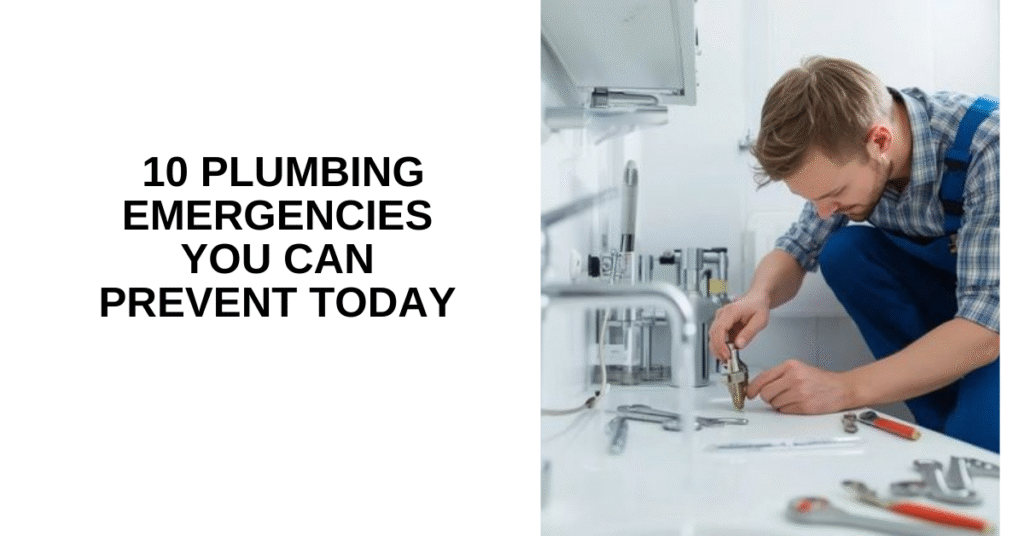
H2: How to do it (step-by-step)
First, located the main water shutoff and tested it gently. A stiff valve got replaced before it failed in panic. Second, checked visible supply lines under sinks, behind toilets, and near appliances for bulges, rust, or dampness on a towel swipe. Third, listen for small clues, like a toilet that refilled randomly or a drain that pulled slowly even after a light clean. Fourth, reduced risk points by swapping old rubber hoses to braided lines and by adding simple drain screens where hair and food loved to gather. Fifth, scheduled a seasonal loop: pressure check, water-heater glance, outdoor tap check, and a quick look at any damp corners that felt suspicious in the air.
H2: Best methods / tools / options
A few tools helped more than most people expected. A basic adjustable wrench, plumber’s tape, and a small bucket covered many quick fixes, even on a rushed morning. Battery leak alarms under sinks and near the water heater gave an early chirp before a quiet puddle became a ruined cabinet, and that tiny sound felt like relief. A pressure gauge on an outdoor spigot showed if the home pressure ran too high, which often pushed weak fittings into failure over time. Braided stainless supply lines cost more than rubber, but they resisted cracking and felt sturdier in hand, like a proper upgrade. A simple pressure-reducing valve and a water-hammer arrestor suited homes with banging pipes, and they reduced the stress that built up in the system.
H2: 10 plumbing emergencies you can prevent today
Emergency 1 stayed the burst washing machine hose. Old rubber hoses weakened, then split, and the flood came fast across tile and into door gaps. Replacing them with braided hoses and checking the valves reduced that risk a lot, maybe more than any fancy gadget. Emergency 2 stayed the dishwasher supply leak, which often started as a slow drip that warped the cabinet base into a soft sponge. A quick inspection with a flashlight and replacing the inlet hose stopped that quiet damage. Emergency 3 stayed in the overflowing toilet, which often happened from a worn flapper, a stuck float, or a partial clog that someone ignored for too long. Replacing the flapper and keeping a proper plunger nearby made the difference in a messy moment. Emergency 4 stayed the hidden under-sink leak, where a loose trap or tired gasket dripped just enough to rot wood and invite moldy smell. Tightening fittings carefully and replacing brittle washers prevented that slow disaster.
Emergency 5 stayed in the clogged shower drain that backed up into a standing, gray pool. Hair acted like a net, and soap scum acted like glue, so a simple drain cover and a monthly clean kept water moving. Emergency 6 stayed in the kitchen sink blockage that rose during dinner cleanup, right when the home felt busiest. Grease, rice, coffee grounds, and fibrous peels built a stubborn paste over time, so a strainer, a no-grease rule, and hot water flushes helped a lot. Emergency 7 stayed the sewer smell and backup, which felt like the worst kind of surprise because it brought odor and contamination. Keeping floor drains hydrated, avoiding wipes in toilets, and dealing with repeated gurgles early reduced risk before a full backup happened. Emergency 8 stayed the water heater leak, which often started as a small rust stain, a damp pan, or a slow valve seep that got dismissed. Flushing sediment occasionally, checking the relief valve area, and watching for corrosion kept the tank from failing without warning.
Emergency 9 stayed the frozen or cracked pipe in cold spells, especially in exposed areas like garages or outside walls. Insulating vulnerable pipes and sealing drafts reduced the chance of a split, and it also made the home feel warmer. Emergency 10 stayed the sudden drop in water pressure caused by buildup, a partly closed valve, or a failing regulator. Cleaning aerators, checking the main valve position, and measuring pressure helped spot the real cause before fixtures suffered. Each emergency looked different, but the prevention stayed oddly similar. Small checks, done on purpose, changed outcomes.
H2: Examples / templates / checklist
A weekly routine stayed short and realistic. Wiped under-sink areas with a dry paper towel, listened for toilet refills, and checked the floor around the water heater for dampness or a metallic smell. A monthly routine added drain screens cleaning, faucet aerator rinse, and a look at appliance hoses for swelling or rust at the ends. A seasonal routine included shutting outdoor taps, checking exposed pipes, and measuring pressure once, then noting it in a phone note for later comparison. A simple mini case helped it feel real: a slow drip under a vanity got caught early by a quick towel swipe, and the fix stayed a five-minute washer swap instead of a cabinet rebuild. That kind of boring win felt good, in a quiet way.
H2: Mistakes to avoid
One common mistake stayed ignoring “small” leaks because they looked harmless. Water did not stay small once it met wood, drywall, and time. Another mistake stayed over-tightening plastic fittings, which cracked threads and created a bigger leak than the original, and it felt frustrating. Pouring harsh chemicals into drains also caused trouble, because it sometimes damaged older pipes and still left the clog partly in place. Storing clutter against shutoff valves created panic later, when access mattered most. The best habit stayed gentle and consistent, not heroic and late.
H2: FAQs
Shutoff valve readiness
The safest homes kept the main shutoff reachable and working. A stuck valve got replaced before a crisis, not during. The handle turned smoothly with a calm hand. That small readiness changed everything.
Safe drain care
Most drains stayed healthier with strainers, hot water flushes, and simple manual cleaning. Enzyme-style maintenance helped in some homes, though it still needed consistency to work well. Grease stayed the enemy, every time. The kitchen sink deserved clear rules.
Water pressure stability
High pressure stressed fixtures, hoses, and valves over months. A quick pressure reading gave clarity when showers felt weak or pipes banged. A regulator solved many pressure problems when set correctly, and it reduced wear across the whole house. That steady pressure felt like quiet control.
Water heater early warning signs
Rust at fittings, small puddles, or popping sounds hinted at sediment or corrosion. A drip pan and a small leak alarm added an early warning layer, which felt comforting at night. Regular checks took minutes, not hours. The smell of warm metal and damp dust mattered.
Trust + Proof Section
This guide leaned on practical patterns that repeated across homes, apartments, and busy family routines. The same failures kept showing up: old hoses, ignored drips, pressure issues, and slow drains that nobody wanted to deal with after work. The prevention steps stayed simple because simple steps got repeated, and repetition prevented emergencies. The tone stayed calm because panic never helped a wet floor. Author: SAM. Updated date: 2026-01-05.
Conclusion
Plumbing emergencies felt dramatic, but prevention felt quiet and steady. A short routine caught weak points before they failed, and it protected walls, floors, and peace of mind. The best next step stayed clear: found the main shutoff, replaced the oldest hoses, and cleaned the worst drain today. After that, the checklist carried the rest with almost no effort. A home that stayed dry felt lighter to live in.